
How to Style Your Arula Dress from Brunch to Black Tie: A Season-by-Season Guide
An arula dress is one of those rare wardrobe anchors that refuses to stay in a single lane. Whether you’re heading to a weekend farmers market or prepping for a gallery opening, the same silhouette can shift in tone with nothing more than a change of shoes and accessories.
This guide walks through practical styling approaches for four distinct occasion categories—daytime casual, work-appropriate, evening social, and formal—then adds seasonal layering advice so your favorite piece works year-round. We’ll cover footwear pairings, outerwear choices, jewelry scale, and bag silhouettes that let you pull off multiple looks without owning a dozen different dresses.
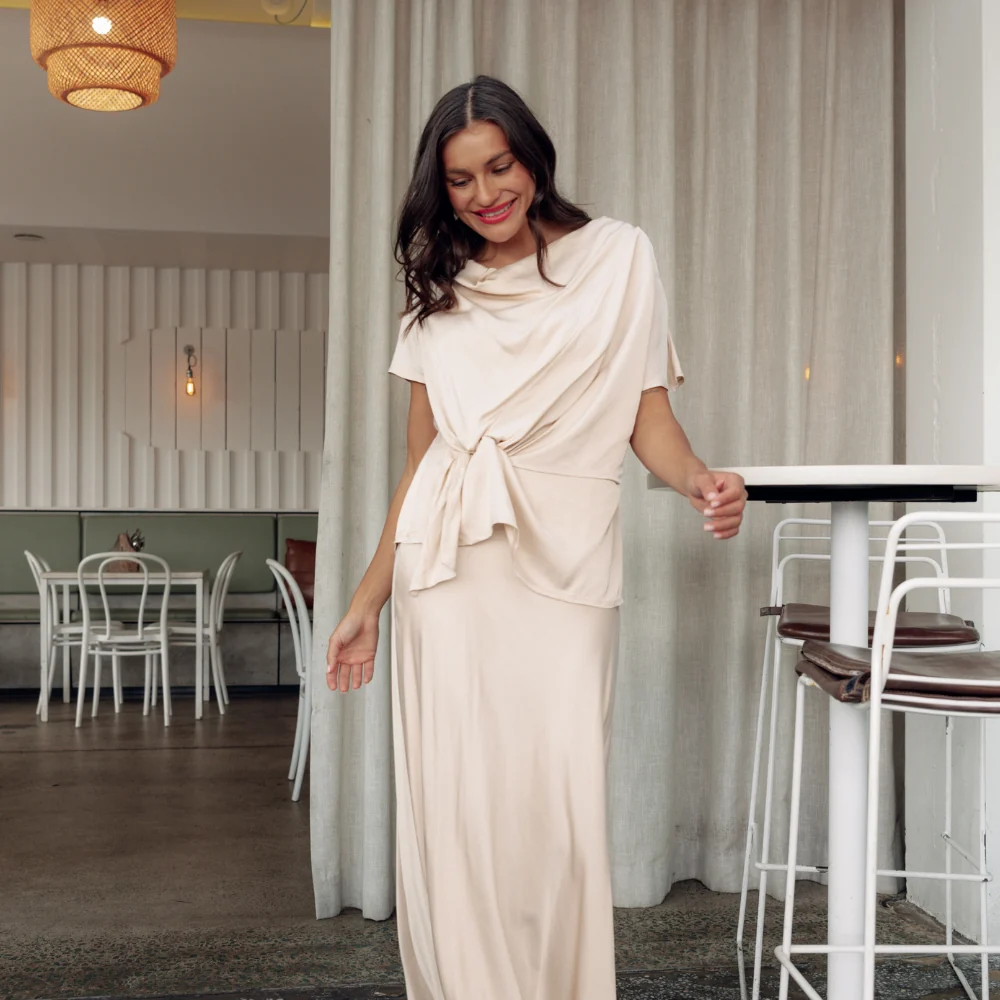
Daytime Casual: Sneakers, Flats, and Crossbody Bags
For weekend errands or brunch with friends, pair your dress with white leather sneakers or slide sandals. Keep jewelry minimal—a single pendant necklace or small hoop earrings—and carry a crossbody bag in canvas or soft leather.
If the dress has a defined waist, leave it as-is; if it’s a straight or trapeze cut, add a woven belt to create shape without looking overdressed. A denim jacket or linen blazer works as a topper when the temperature drops, and oversized sunglasses finish the look without adding formality.
This approach also translates to outdoor events like picnics or daytime concerts, where comfort and ease of movement matter more than polish.
Work-Appropriate Looks: Blazers, Loafers, and Structured Totes
To wear an arula dress in an office setting, layer a tailored blazer over it and swap casual footwear for closed-toe loafers or low block heels. Choose a blazer in a neutral color—navy, charcoal, camel—so it doesn’t compete with any print or texture in the dress fabric.
Carry a structured tote or satchel instead of a slouchy hobo bag, and keep accessories streamlined: stud earrings, a simple watch, and a single ring. If your workplace leans conservative, add sheer tights in a neutral tone and skip bold lip colors in favor of a natural or rose shade.
Adjusting Hemlines for Professional Settings
If your dress falls above the knee and your office dress code requires more coverage, layer it over slim-fit trousers in black or navy. The dress becomes a tunic, and the trousers eliminate any concern about hem length while preserving the silhouette.
Evening Social Events: Heels, Statement Jewelry, and Clutches
For dinner reservations, cocktail parties, or art openings, elevate the same dress with pointed-toe heels—either a classic pump or a strappy sandal—and swap your daytime bag for a small clutch or envelope pouch.
Add one statement piece of jewelry: oversized earrings, a bold cuff bracelet, or a layered necklace. Avoid stacking multiple statement pieces; let one focal point carry the visual weight. If the dress is already busy with print or embellishment, keep jewelry simple and let the fabric do the talking.
A leather moto jacket or tailored trench works as outerwear when you’re moving between venues, and a bold lip color—deep red, berry, or classic coral—completes the transition from day to night without requiring a full outfit change.
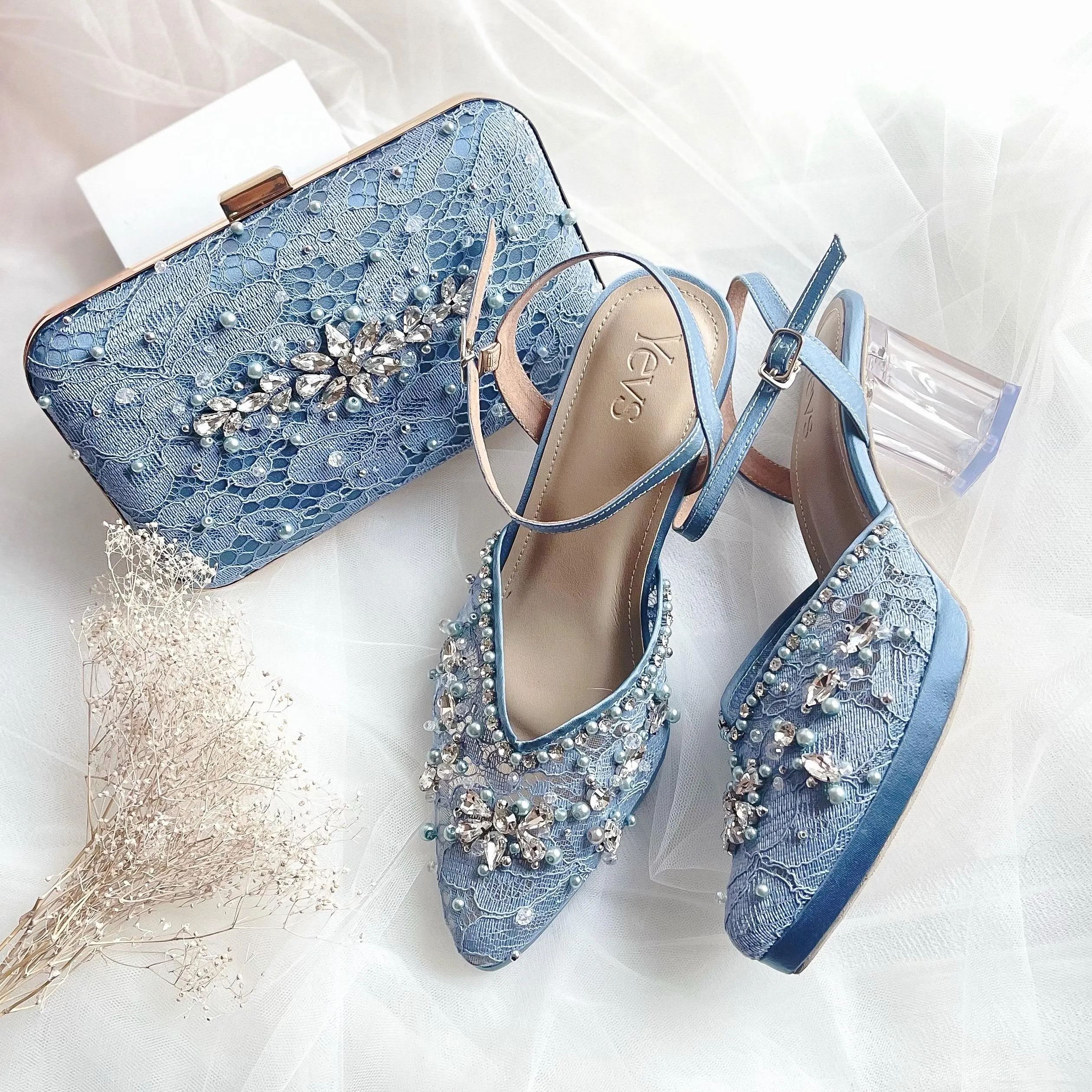
Formal Affairs: Luxe Fabrics, Elegant Heels, and Refined Accessories
Black-tie optional weddings, galas, and formal receptions call for your most polished styling approach. Choose metallic or satin heels—gold, silver, or nude depending on your dress color—and carry a beaded or satin clutch.
Opt for delicate, refined jewelry: drop earrings with crystals or pearls, a slim bracelet, and a cocktail ring if the dress neckline is simple. If you’re attending a winter formal event, a velvet or faux-fur wrap adds warmth without hiding the dress silhouette.
Hair and Makeup for Formal Settings
Pull hair into a low chignon or sleek ponytail to keep the neckline visible, and choose makeup that balances the dress: if the gown is heavily embellished, keep eyes soft and let a bold lip anchor the face; if the dress is minimalist, a smoky eye and neutral lip work better. Finish with a light setting spray so everything holds through dancing and late-night toasts.
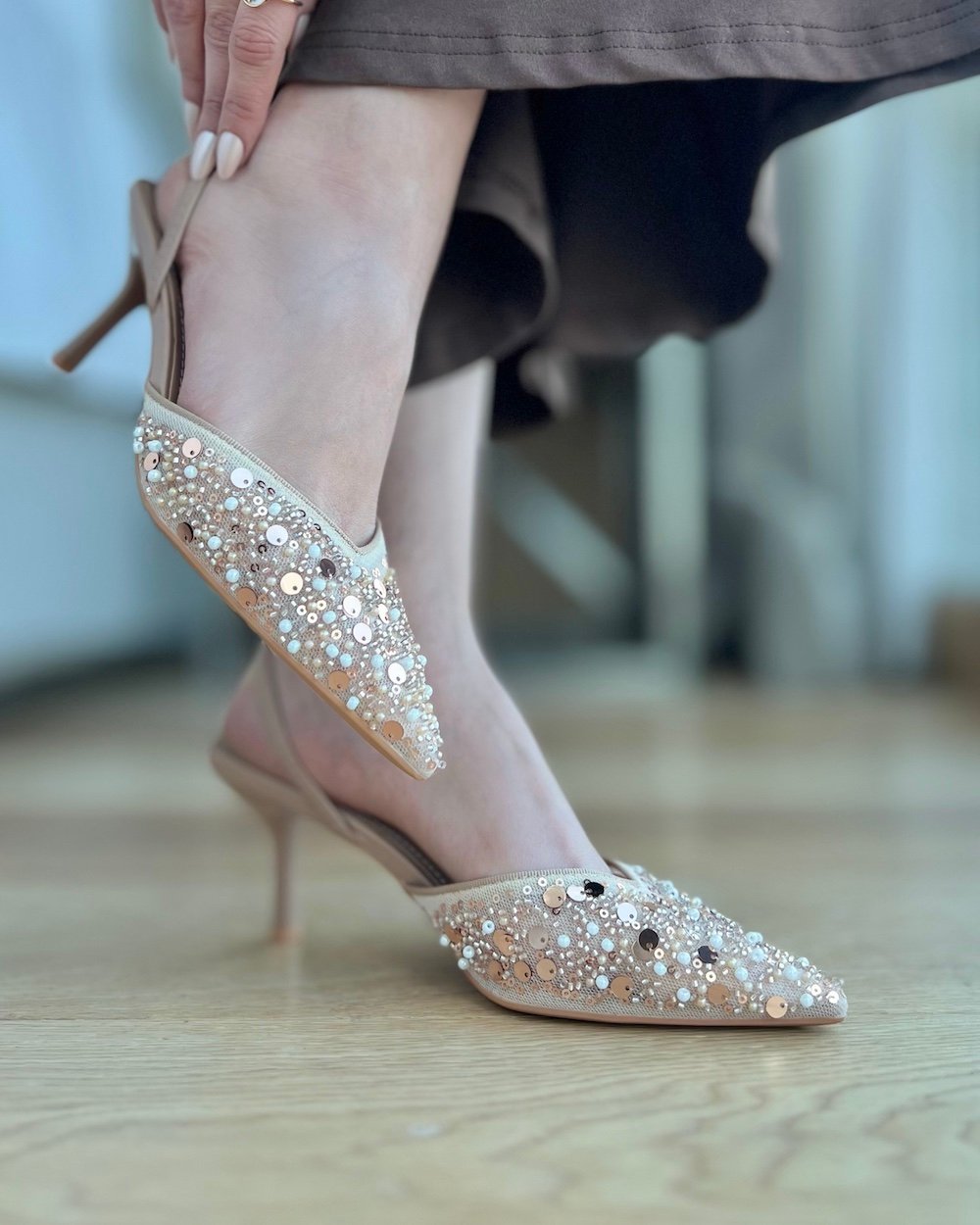
Seasonal Layering: Spring, Summer, Fall, and Winter
In spring, layer a cropped cardigan or lightweight trench over your dress and add ankle boots or ballet flats. A silk scarf tied around the neck or looped through a bag handle introduces color without overwhelming the outfit.
Summer styling stays simple: bare legs, slide sandals or espadrilles, and a wide-brimmed straw hat for sun protection. Swap heavy jewelry for wood or resin pieces that won’t feel hot against your skin, and carry a woven tote instead of leather.
Fall calls for tights or knee-high boots, a wool blazer or shacket, and a crossbody bag in suede or textured leather. Add a felt fedora or beret for a seasonal accent, and choose jewelry in warmer metals—bronze, rose gold, or copper—to complement autumn tones.
Winter layering requires a long wool coat, opaque tights, and ankle or knee boots with a low heel. A cashmere scarf in a complementary color adds warmth without bulk, and leather gloves keep hands comfortable while maintaining a polished look. For anyone curious about mixing structured separates with flowing silhouettes, the tailored blazers and coats featured at Gianni Binico demonstrate how a well-cut jacket can anchor a softer dress without competing for attention.
Building a Versatile Wardrobe Around One Dress
The real value of a well-made dress isn’t the garment itself—it’s the flexibility it gives you to show up appropriately in a dozen different contexts without needing a closet full of single-use pieces. By rotating footwear, outerwear, and accessories, you stretch one purchase across a full calendar of events.
Start with the occasion, then work backward to choose the right supporting pieces. The Victoria and Albert Museum’s fashion collections demonstrate how historical garments were styled across social classes and contexts, revealing that adaptability through accessories is a centuries-old practice rather than a modern styling hack. Once you establish a formula that works for your body and lifestyle, getting dressed becomes faster and more intuitive—and you’ll stop second-guessing whether an outfit fits the room.
Common Questions About Styling Arula Dresses
Yes, as long as you change the styling. Swap footwear, accessories, outerwear, and hairstyle between events, and most people won’t register it as the same garment. The dress becomes a base layer; everything else creates the look.
If you’re attending events with overlapping guest lists in a short span, consider altering one major element—hemline with a tailor, belt placement, or layering it over trousers—to shift the silhouette enough that it reads as a different outfit.
Hang it on a padded or wooden hanger in a cool, dry closet away from direct sunlight. If the fabric wrinkles easily, steam it lightly before wearing rather than ironing directly, which can leave shine marks on delicate materials.
For travel, fold the dress tissue-paper style—rolling rather than creasing at hard angles—and pack it on top of other items so nothing heavy compresses it. Unpack and hang it immediately upon arrival, and run a hot shower in the bathroom to create steam that relaxes minor wrinkles without touching the fabric.
Match your undergarment color to your skin tone, not the dress color. Nude or beige blends with your body and becomes invisible under most fabrics, while white or black can create visible lines or show through lighter materials.
For dresses with low backs or unusual necklines, use adhesive cups or a stick-on bra instead of a traditional style. Seamless underwear in a laser-cut finish eliminates panty lines better than lace or cotton with stitched edges.
Absolutely. Pair it with flat sandals or sneakers, add a denim jacket, and swap any sparkly jewelry for simple metal hoops or a pendant necklace. Carry a canvas tote instead of a clutch, and leave your hair loose or in a low ponytail.
Another option is to layer the dress over fitted jeans and treat it as a tunic. Belt it at the waist, roll the jean hems to show ankle, and add loafers or ankle boots. The formal fabric becomes a textural contrast rather than the focal point.
Swap flats for heels, trade your crossbody bag for a clutch, and add one statement jewelry piece—oversized earrings or a bold necklace. If you’re short on time, these three changes alone shift the outfit’s formality level.
Adding a bold lip color and pulling hair into an updo or sleek ponytail completes the transformation without requiring a full wardrobe change. Keep the heels and jewelry in your work bag or car so you can switch in a restroom or parking lot before heading to your evening event.
For conservative workplaces and religious ceremonies, aim for knee-length or longer. Cocktail parties and evening social events allow above-the-knee styles, while black-tie and formal galas typically call for floor-length or midi hemlines.
When in doubt, check the invitation wording or venue website for dress code guidance. If you’re still unsure, a midi length—hitting mid-calf—works for nearly every occasion and can be dressed up or down with accessories.